Summary of PoliRuralPlus JackDaw Code Camp 2026 in Prague
Event overview
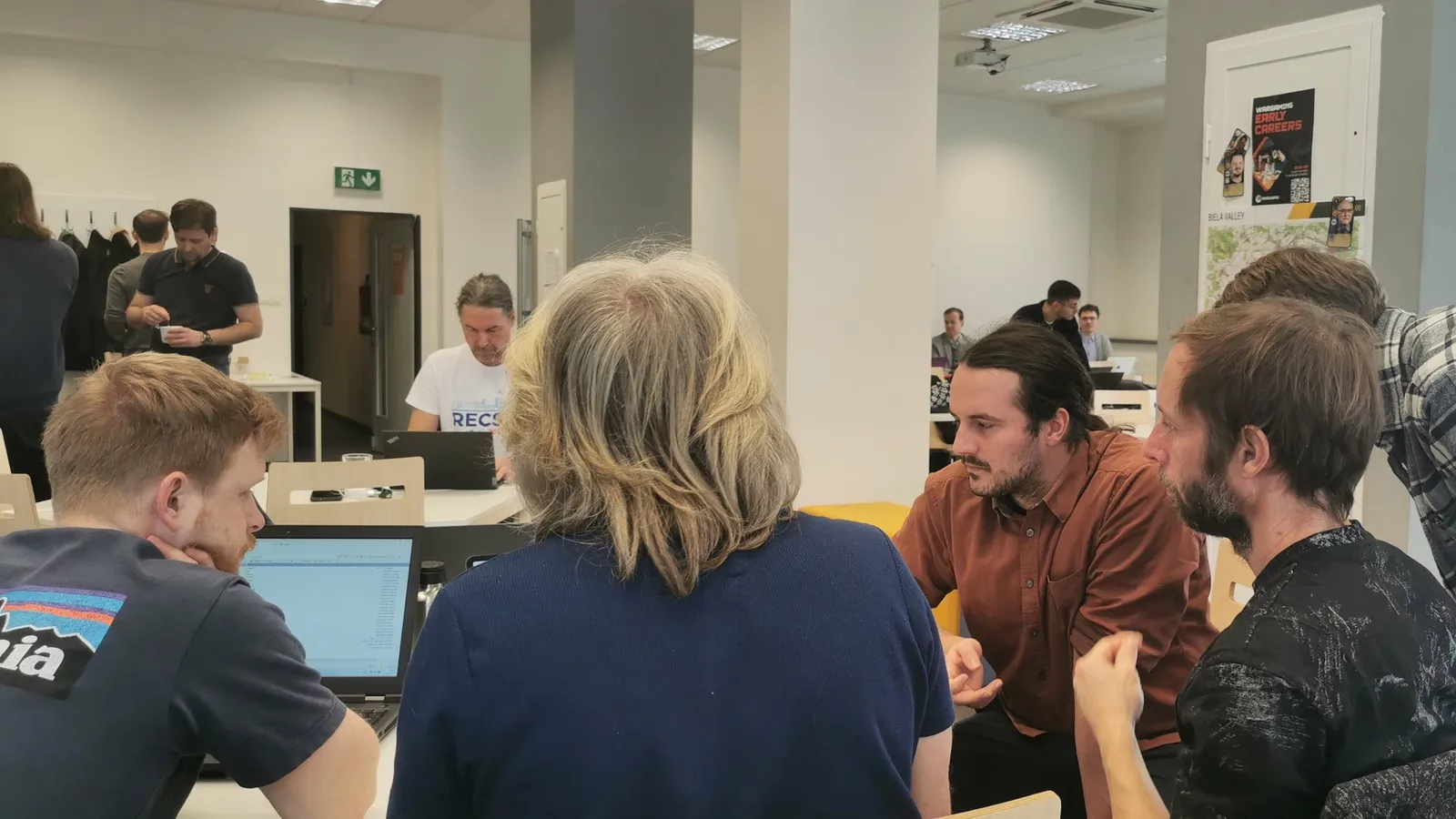
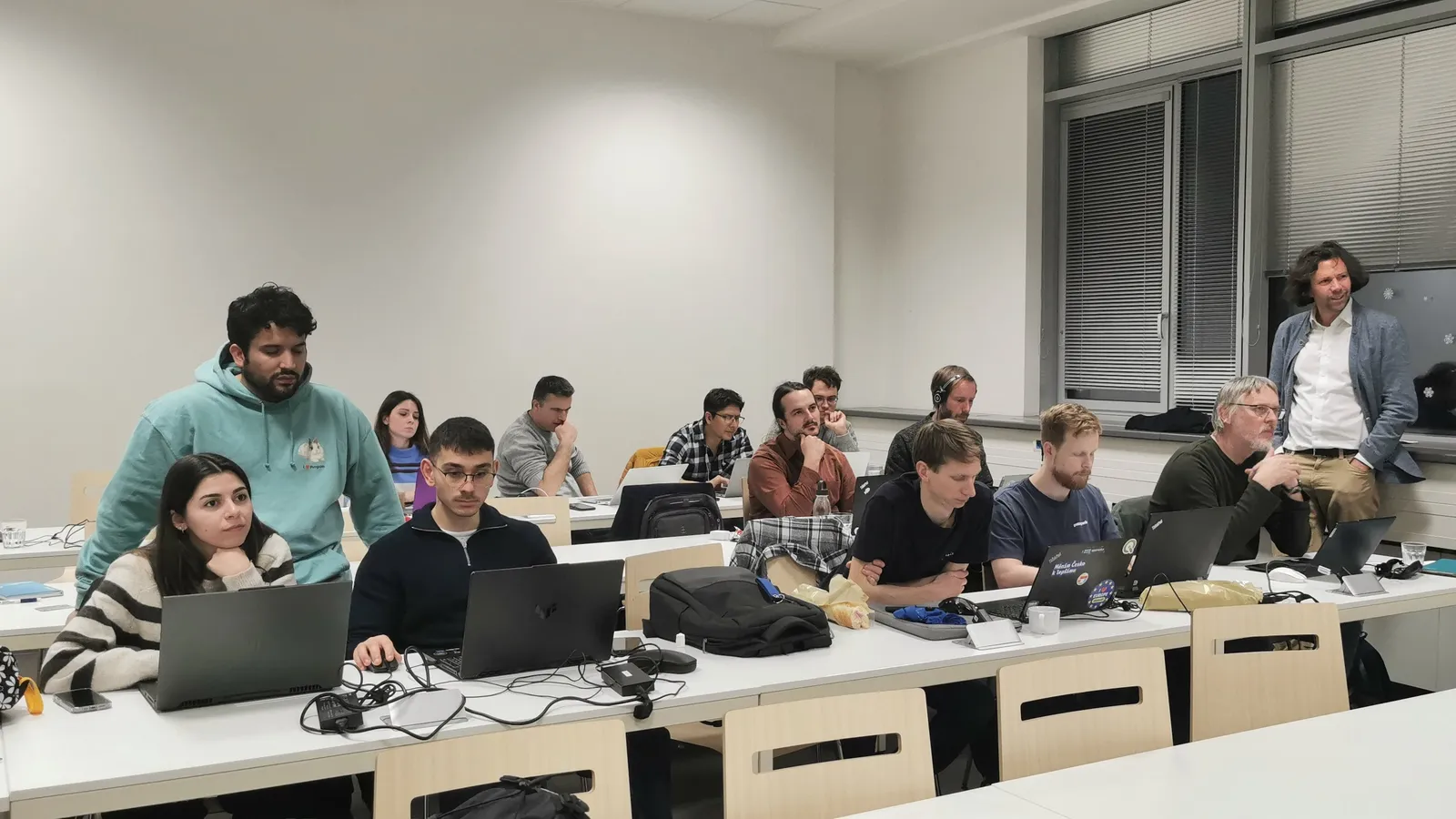
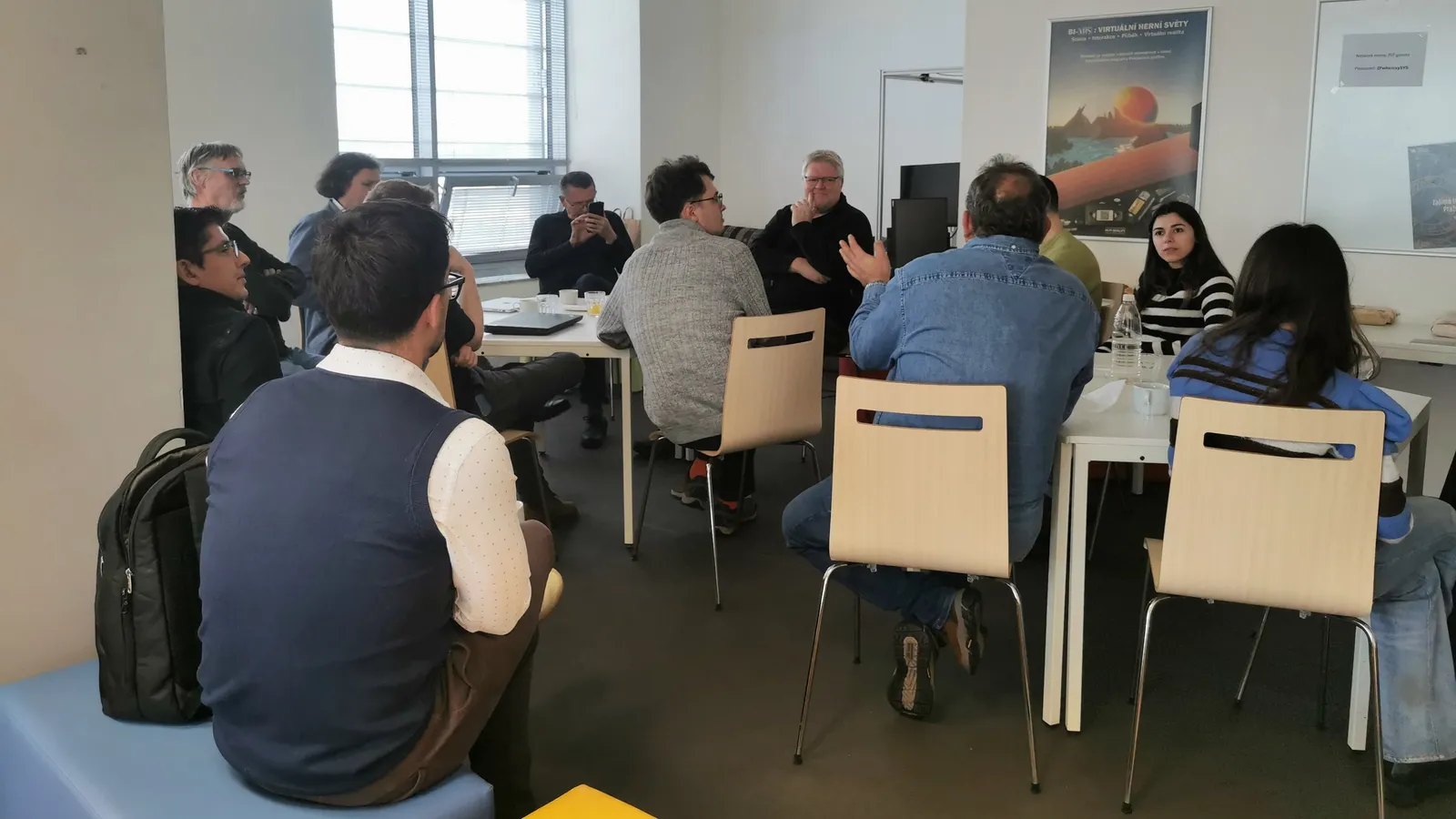
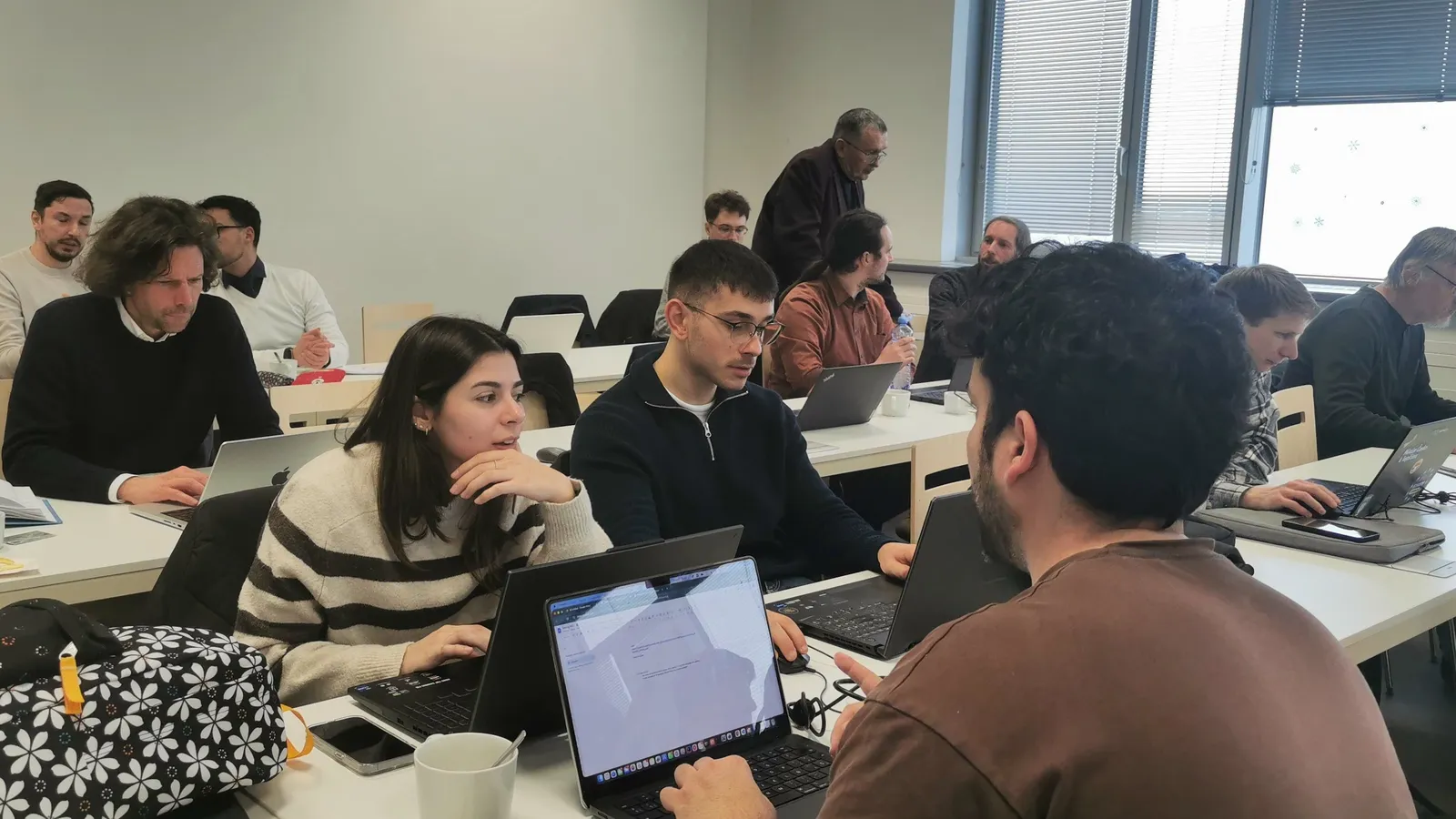
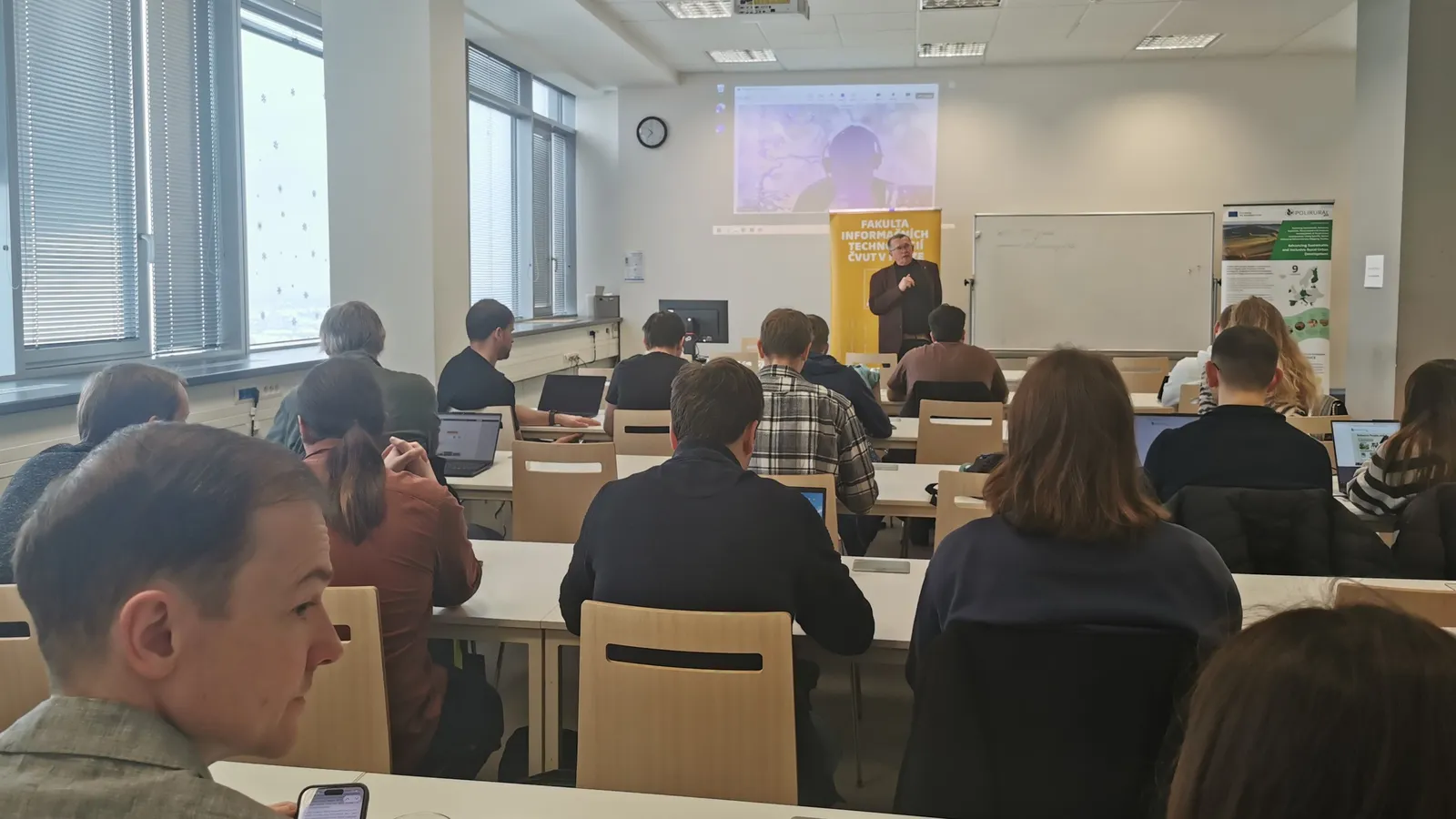
The PoliRuralPlus JackDaw Code Camp 2026 took place in Prague, Czech Republic, on 13–15 January 2026, hosted by the Faculty of Information Technology, Czech Technical University in Prague (FIT CTU). The three-day event was designed as an intensive, hands-on development sprint bringing together researchers and developers to further advance JackDaw (Kavka) - a European geospatial AI system connecting Large Language Models (LLMs) with GIS data, tools, and analytical workflows.
Purpose and goals
The Code Camp aimed to accelerate development of the GeoLLM concept, enabling users to work with maps and spatial datasets through natural language queries. Participants focused on:
- building new data sources, connectors, and optional tools for JackDaw,
- extending GeoLLM approaches to additional regions and application domains,
- sharing expertise across developers, data engineers, and domain specialists.
A strong emphasis was placed on practical outcomes and deployable solutions for real-world use cases such as spatial planning, landscape and climate analysis, research workflows, and decision support.
JackDaw: combining LLM reasoning with GIS analytics
JackDaw enables natural-language interaction with geospatial information: users ask questions “in plain language,” while the system integrates LLM capabilities with geospatial layers, retrieval mechanisms, and GIS computation. Outputs include explanations, summaries, and recommendations grounded in actual spatial data and analytical methods.
The development builds on research that extends RAG (Retrieval-Augmented Generation) by adding agentic behavior, enabling autonomous tool use and spatial computations, an approach that significantly improves accuracy compared to text-only retrieval in complex domain-specific tasks.
JackDaw was originally developed within the PoliRuralPlus project, initiated by Karel Charvát, Stein Runar Bergheim, and Alexander Kovalenko, and is now evolving further through additional initiatives such as FOCAL, BioClima, KijaniSpace, COMUNIDAD, and ALIANCE.
European approach: multi-agent architecture and local deployment
JackDaw is positioned as a European-oriented response to global LLM development, emphasizing:
- multi-agent architecture,
- efficient use of computing resources,
- the ability to run in local environments (institutional or enterprise clouds),
which is crucial for sensitive data handling, transparency, and control over data sources and processing steps.
Participation and Czech contribution
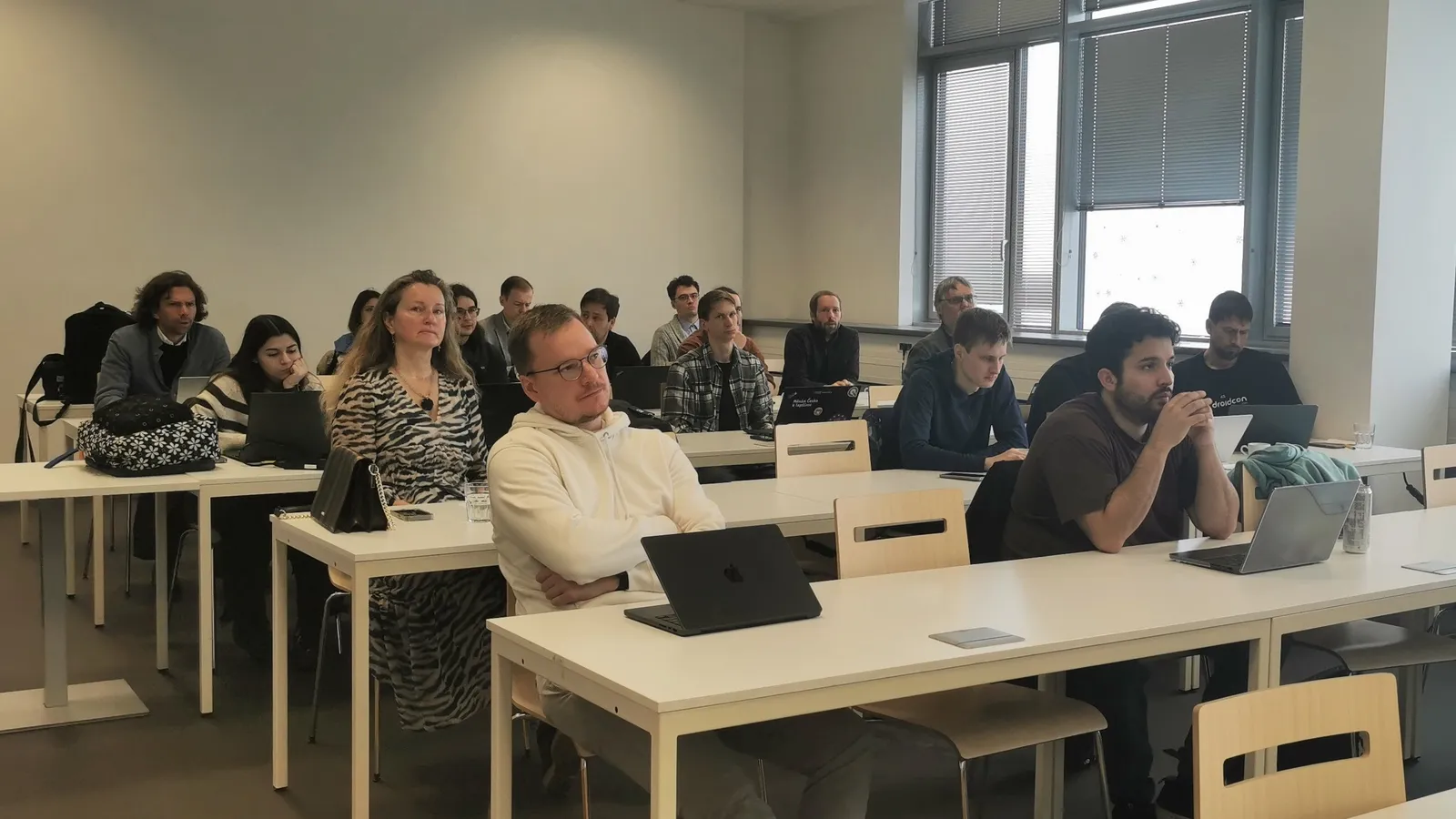
The Code Camp gathered 30+ participants, largely senior researchers and developers, from at least eight European countries. Strong Czech involvement was represented by organizations including Czech Centre for Science and Society, Plan4all, Lesprojekt-služby, Help Service – Remote Sensing, FIT CTU, CESNET, and University of West Bohemia.
Outcomes and next steps
Teams presented working prototypes, integration plans, and architecture improvements, including:
- multilingual document-based QA tools,
- geospatial similarity search using Alpha Earth embeddings,
- automated document crawling and quality-controlled ingestion,
- sensor API integration via MCP tool definitions,
- decentralized tool ecosystems with dynamic tool filtering,
- upload and unified API infrastructure for participants without servers.
Outputs & Conclusions
JackDaw Code Camp Wrap-Up and Next Steps
Speaker/Team: Karel Charvát (Czech Centre for Science and Society / PoliRuralPlus leadership)
The Code Camp was concluded by Karel Charvát, who summed up the three-day sprint as a highly practical and productive format, highlighting that teams delivered concrete results and valuable shared learning. He confirmed that the community agreed to meet again in Poznań, most likely in late March or early April (TBC), and expressed the joint ambition to move JackDaw toward a fully operational solution within this year.
Demo and Discussion of Spanish Agriculture QA Tool Prototype
Speakers/Team: Raquel Gómez & Alejandro García García (ITG)
A strong applied demonstration came from the ITG team, where Raquel Gómez and Alejandro García García presented a basic prototype of a Spanish-language question-answering tool built on agricultural documents from Spain. Their system allows users to ask questions in Spanish and receive Spanish answers, while also showing a key safety feature: if the database does not contain the required information, the tool does not hallucinate but openly states that it cannot answer. During the demo, they also showcased document upload functionality, where new PDFs can be processed into embeddings and stored in a vector database, pointing toward future expansion in both content coverage and potential spatial data integration.
Introduction and Application of Alpha Earth Embeddings for Geospatial Analysis
Speaker/Team: Alexander Kovalenko (FIT CTU)
Representing FIT CTU, Alexander Kovalenko introduced a more research-driven direction by presenting Alpha Earth Embeddings as a new foundation for geospatial analysis. He explained that these embeddings can represent territories using multi-domain signals beyond imagery alone, including climate, elevation, land cover and even encoded text sources. The key idea was to use them for identifying “geospatial twins”—regions that are similar in physical footprint and infrastructure despite being located elsewhere. In the JackDaw context, this would allow the system to first discover similar regions through embedding-based similarity search, and then use JackDaw’s analytical tools to explain socio-economic drivers, differences in outcomes, and transferable policy or development strategies.
Sensor Data API Integration and Format Finalization Meeting
Speaker/Team: Odysseas Sekkas (Neuropublic)
On the integration side, Odysseas Sekkas from Neuropublic provided an update on finalizing the format of sensor data delivered via API and aligning it with JackDaw’s ecosystem. The discussion focused on defining MCP server functions and clear data descriptions so that an LLM can correctly interpret the dataset, retrieve relevant values, and call the API in a controlled and user-oriented way, ultimately enabling sensor-based outputs to become part of JackDaw’s toolset.
Integration of Data Altruism Organizations with JackDaw LLM Ecosystem
Speaker/Team: Sebastian Haas (Hinterland Systems)
From a broader European data ecosystem perspective, Sebastian Haas of the Austrian Hinterland Systems Association shared early feasibility work on integrating Data Altruism Organizations as a trustworthy pillar of the EU Data Strategy and their APIs into JackDaw. He outlined a plan to model and to contribute a GeoJSON dataset for the Ibiza region and connect it to existing GEORAG functionalities, which currently exist primarily in Czech but can be translated for the needed terms. Haas also noted that the team intends to experiment with additional approaches presented during the camp and bring results to the next community meeting.
Planning the Next Version of the Local Product AI Chatbot Platform
Speaker/Team: Bruno Giordano (EXO)
A different but highly practical user scenario was brought forward by Bruno Giordano from EXO, who presented plans for the next version of an AI chatbot platform designed to promote local products from small producers. The team’s concept links product recommendations with real logistics, aiming to coordinate collection from multiple local sources and deliver goods to one or more pickup points. The platform direction was confirmed around a multi-vendor PrestaShop plugin, with the AI chatbot positioned as the key intelligence layer capable of recommending products based on consumer needs, tolerances, and preferences.
Discussion on RAG Connection and Personal RAG Implementation
Speaker/Team: Aron Rynkiewicz (PSNC)
A short but important technical checkpoint came from Aron Rynkiewicz of PSNC, who reported that the team is finalizing the RAG connection with JackDaw while also discussing the architecture of personal RAG, aimed at enabling user-specific retrieval capabilities. Although the work during this session focused more on conceptual alignment than implementation, the expectation is to show tangible progress within the coming weeks.
Discussion on Decentralized Tool Integration and Next Steps
Speakers/Team: (Stein) Runar Bergheim + Filip Leitner (AVINET / CCSS)
One of the strongest architectural themes of the Code Camp was the push toward a decentralized, agentic ecosystem, described by Runar Bergheim together with Filip Leitner in the AVINET/CCSS discussion. They emphasized that as the project grows, the number of specialized tools will expand rapidly, and it will not be feasible to expose hundreds of tools to the model context at once without causing confusion and wasted memory. As a result, they identified two next critical steps: building an endpoint to register external MCP tool servers, and implementing dynamic tool filtering so that only relevant tools are selected based on each user query.
General conclusion
The PoliRuralPlus JackDaw Code Camp 2026 in Prague proved to be a highly successful and productive three-day sprint. It strengthened collaboration across the community, delivered concrete technical progress, and confirmed strong shared momentum toward making JackDaw a fully operational solution. The meeting also helped align teams on key architectural priorities, data integration pathways, and next development steps.
We encourage everyone to follow the PoliRuralPlus website and social media channels for updates and announcements.
https://www.poliruralplus.eu/
https://www.linkedin.com/groups/3516067/
On behalf of the entire organizing team,
Karel Charvát – LinkedIn (videos, news, posts, and live coverage from the Code Camp)
Follow the PoliRuralPlus website and social media channels for updates and announcements.
https://www.poliruralplus.eu/
https://www.linkedin.com/groups/3516067/