Empowering sustainable landscapes: The success of the trans4num INSPIRE Hackathon 2026
Aarhus, Denmark & Online | October 22–23, 2026
How can open data, artificial intelligence, and systemic design transform intensive agricultural landscapes?
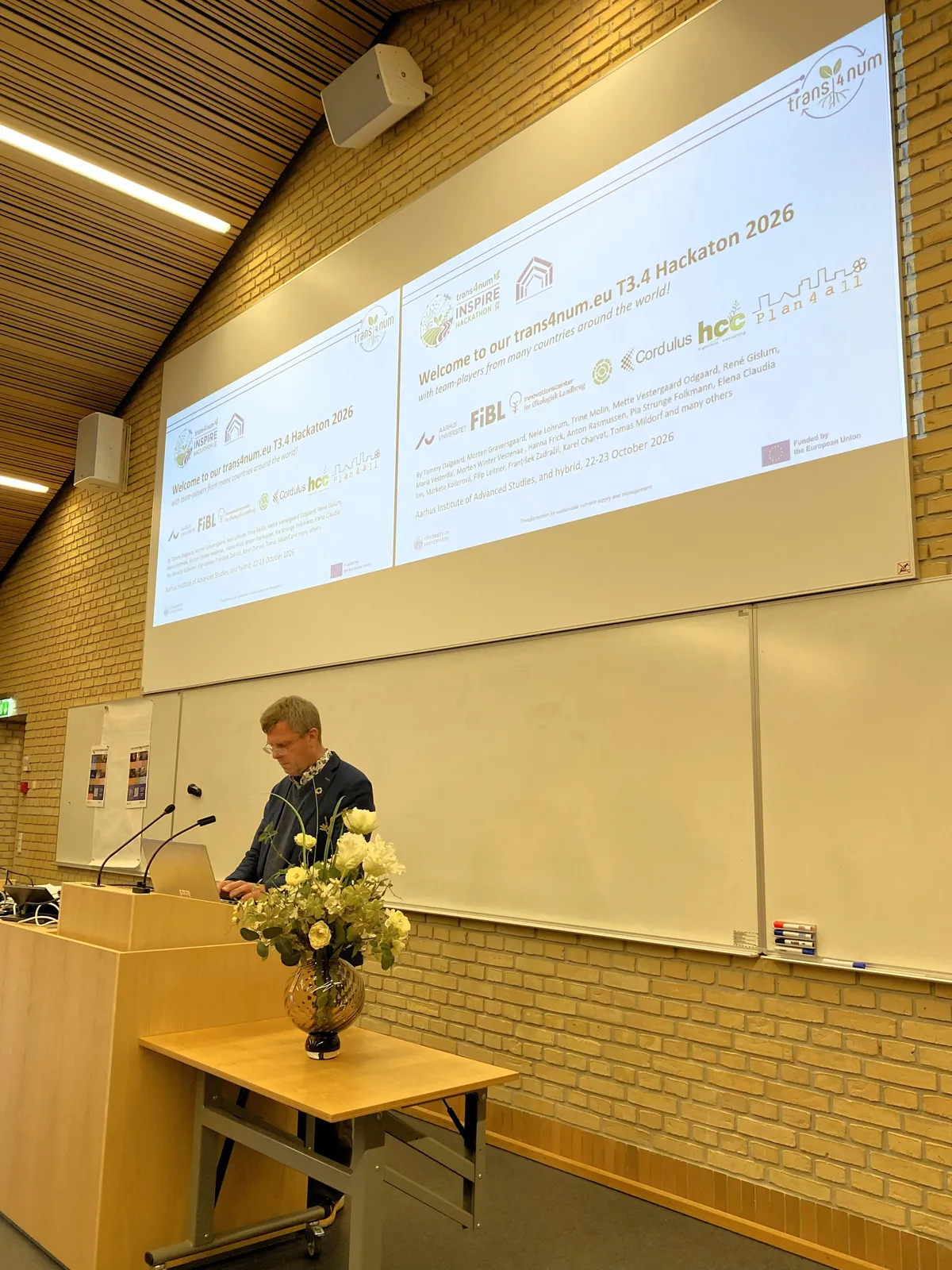
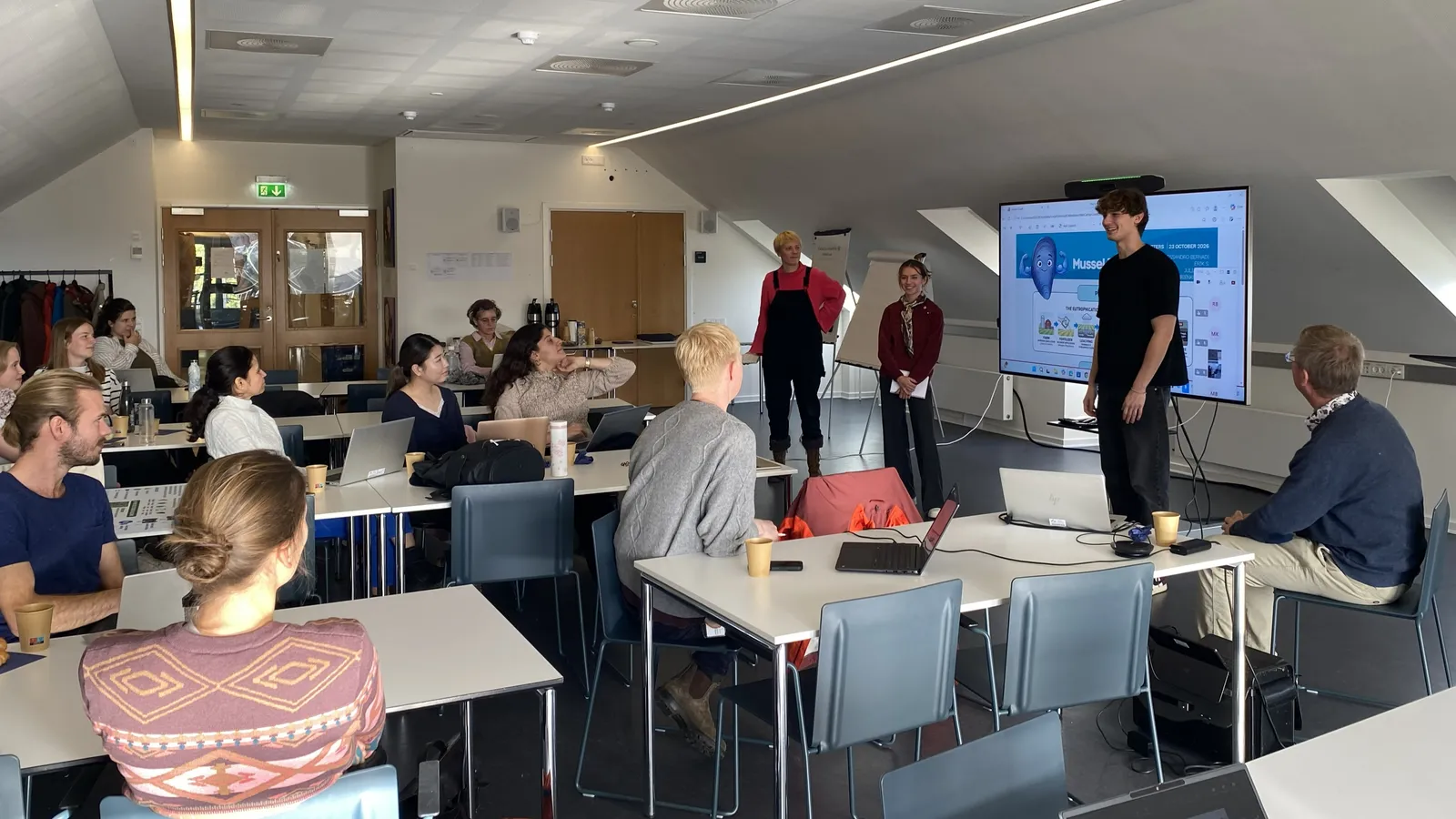
On October 22–23, 2026, Plan4all proudly co-organised the trans4num INSPIRE Hackathon, bringing together an international cohort of students, agronomists, GIS specialists, and rural innovators. Held in a hybrid format - anchored physically at Aarhus University in Denmark and connected globally online - the event tackled a critical real-world environmental crisis: designing a future agricultural landscape for the Limfjord catchment that drastically reduces nitrogen pollution while keeping farming economically viable.
Organized under the Horizon Europe trans4num project, this hackathon demonstrated the power of the INSPIRE methodology to drive actionable, data-backed sustainability solutions.
The INSPIRE methodology in action: A unified challenge
Building on years of refining the INSPIRE Hackathon format, this edition introduced a highly focused approach. Rather than dividing participants across multiple disparate tasks, all teams were united around a single overarching challenge: balancing the EU's Zero Pollution Action Plan and Denmark's Green Tripartite Agreement in the vulnerable Limfjord region.
To structure this complex task, Plan4all introduced the trans4num Innovation Canvas. Presented during the opening plenary, this 14-slide framework prevented teams from getting lost in the weeds of software engineering. Instead, it forced them to act as systemic problem-solvers, mapping their spatial designs directly to practical farmer business cases, environmental trade-offs, and policy transition steps.
Data-driven design: JackDaw GeoAI and the Digital Toolbox
A major highlight of the event was the integration of cross-project digital infrastructures. To ground their landscape designs in spatial evidence, participants utilized a dedicated digital toolbox supported by expert mentors.
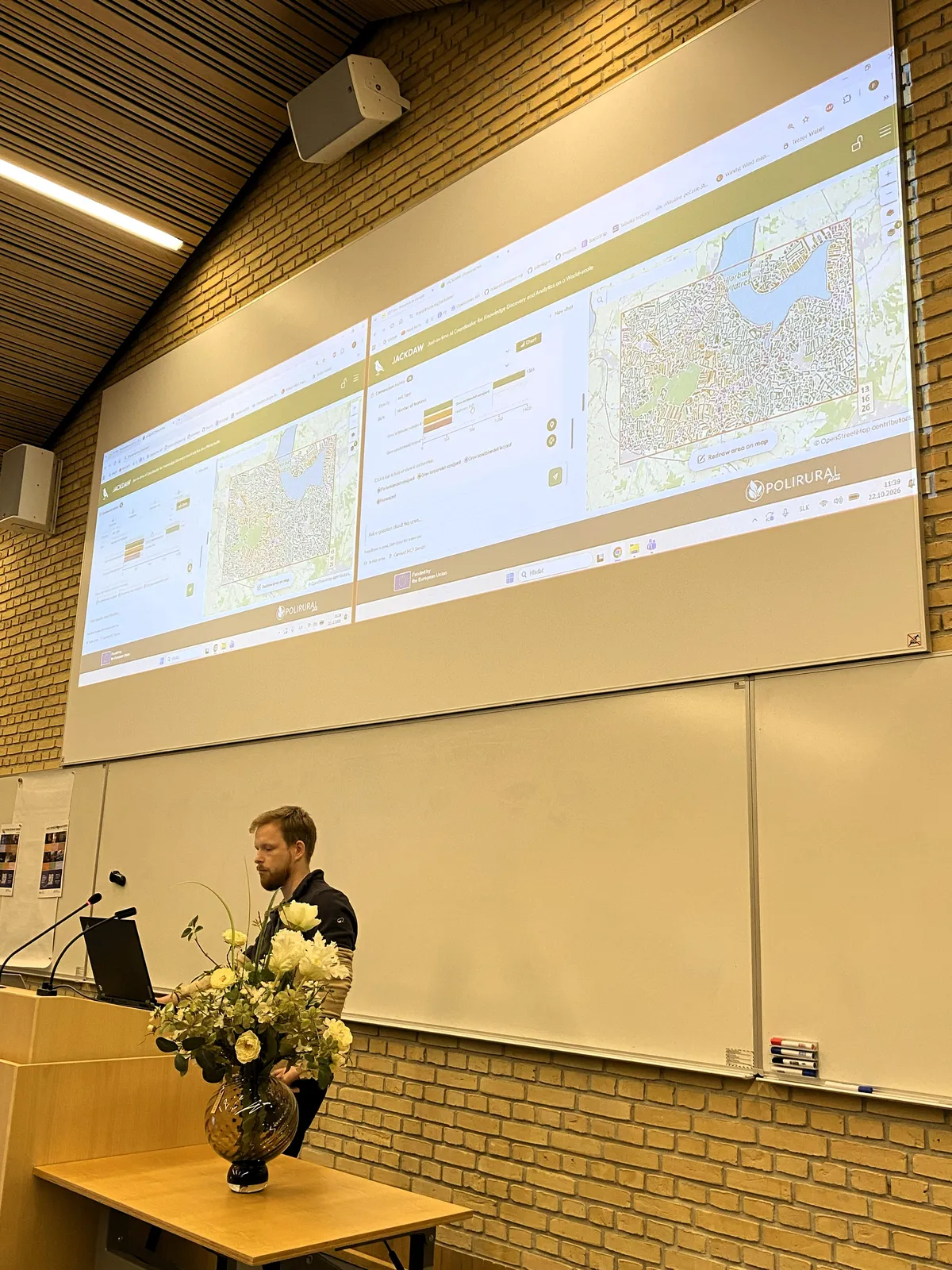
A central pillar of this toolbox was JackDaw, the GeoAI spatial assistant developed within the Horizon Europe PoliRuralPlus project. Mentored by Filip Leitner (Plan4all), teams used JackDaw’s natural language processing to query complex spatial datasets, identify vulnerable soil types, and determine optimal geographic placements for Nature-Based Solutions (NBS).
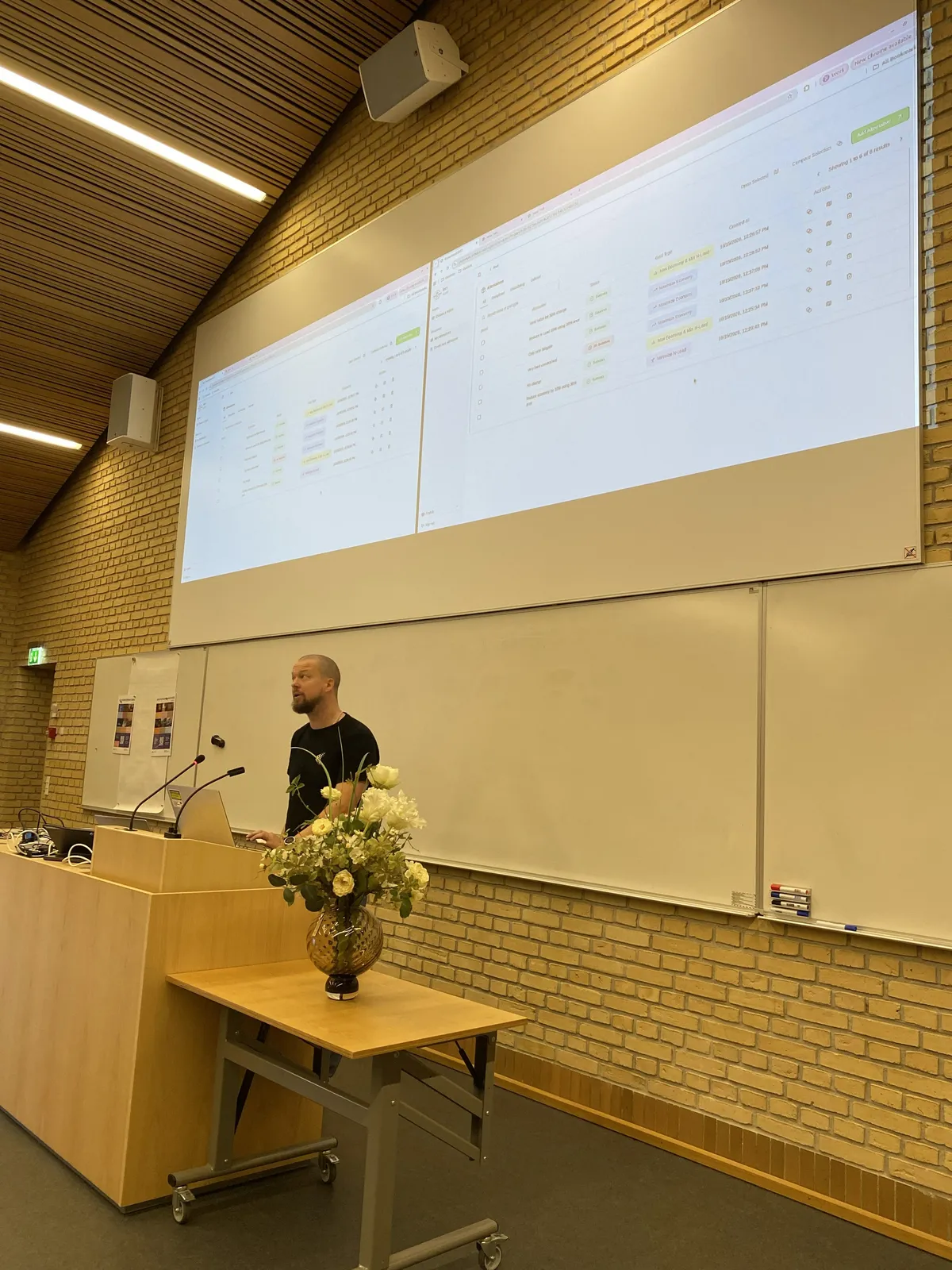
Alongside JackDaw, teams stress-tested the trans4num Decision Support Tool (DST), guided by Morten Birk (Cordulus), to simulate the regional economic and nitrogen-leaching impacts of shifting crop rotations and implementing green biorefineries.
The winning solutions
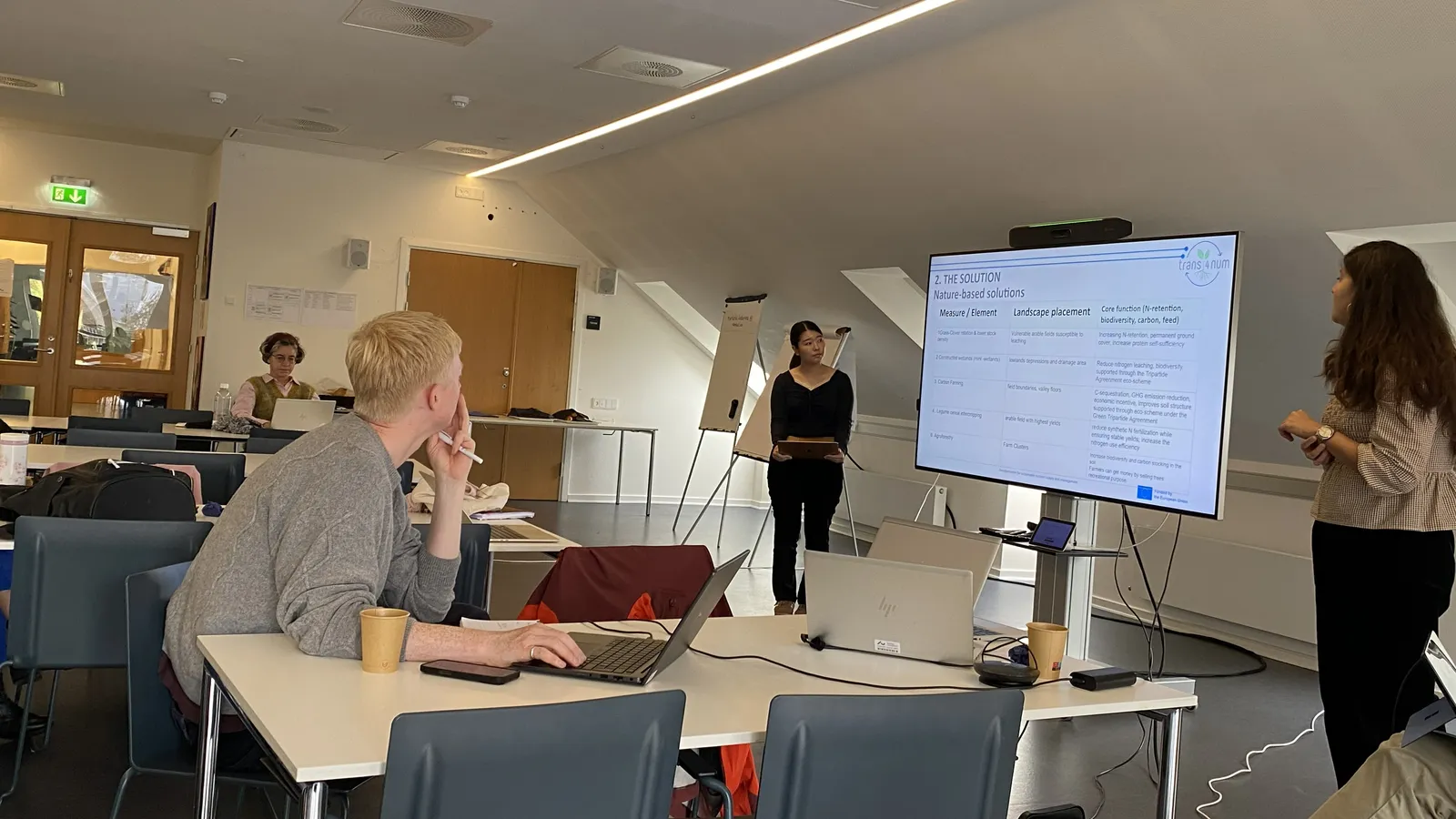
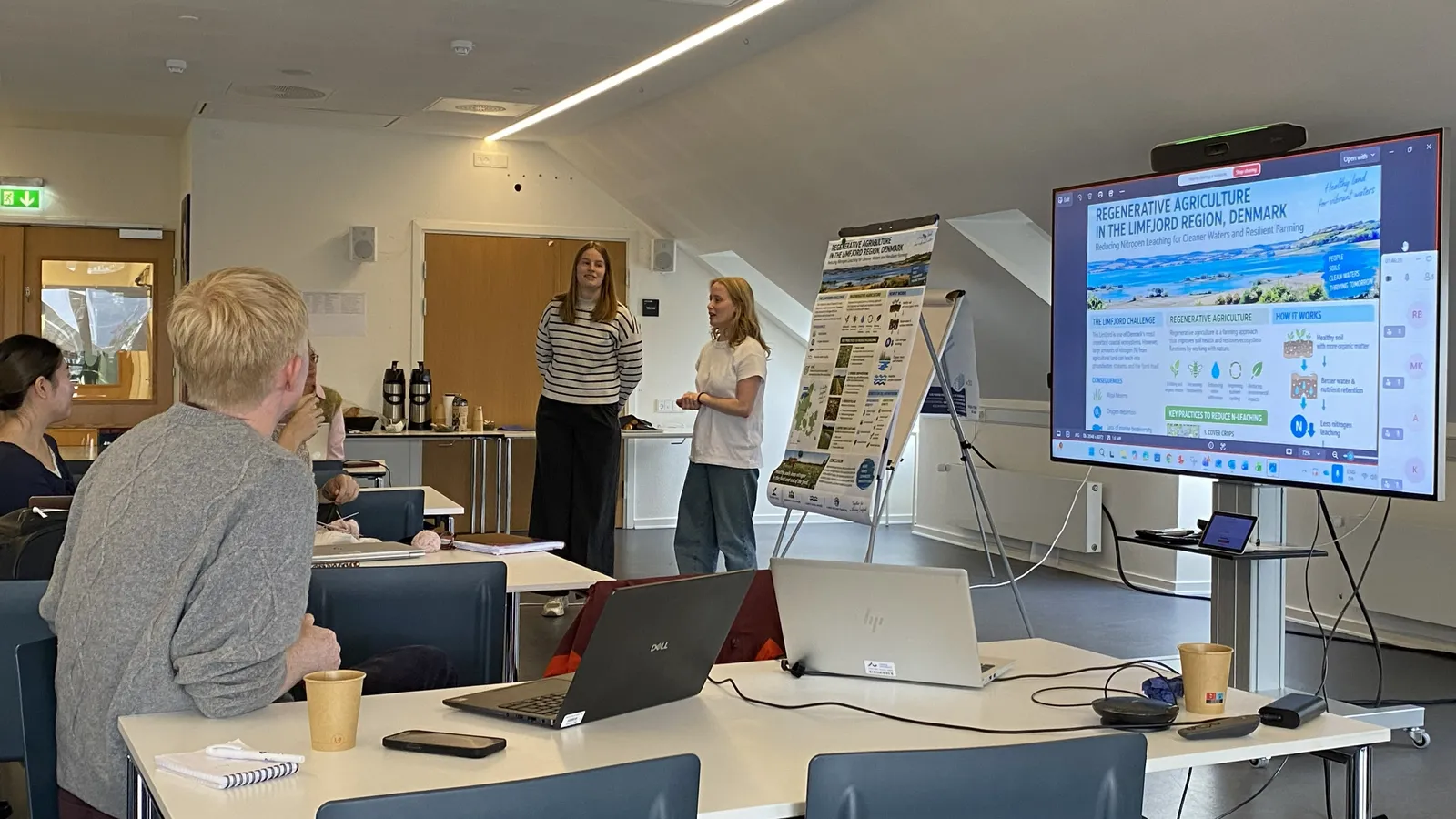
On the final day, teams pitched their "Future Landscape Concepts" and Innovation Canvases to an international expert jury, which included Plan4all’s Karel Charvát alongside representatives from Aarhus University, ICOEL, and Avinet. The jury evaluated the proposals on their environmental impact, farmer feasibility, use of spatial evidence, and innovative thinking.
🥇 Gold Award: Team Meguri – A Farmer-First Landscape Transition
Team Meguri delivered a highly pragmatic, bottom-up approach. They strategically placed grass-clover rotations on vulnerable soils and mini-wetlands in drainage depressions, while heavily emphasizing the socio-economic transition. By focusing on targeted subsidies, CAP eco-schemes, and strengthening local supply chains, they ensured that the financial risk of environmental restoration does not fall solely on the farmer.
🥈 Silver Award: Team Low-Hanging Fruit – Topographical Gradient Strategy
This team impressed the jury with a sub-catchment scale strategy that leveraged the natural flow of the landscape. They proposed a "terraced" model: runoff retention in the uplands, deep-rooted grass-clover fields in the midlands serving regional biorefineries, and rewetted organic soils acting as a final denitrification filter in the lowlands.
🥉 Bronze Award: Regenerative Agriculture – Healthy Soils for Vibrant Waters
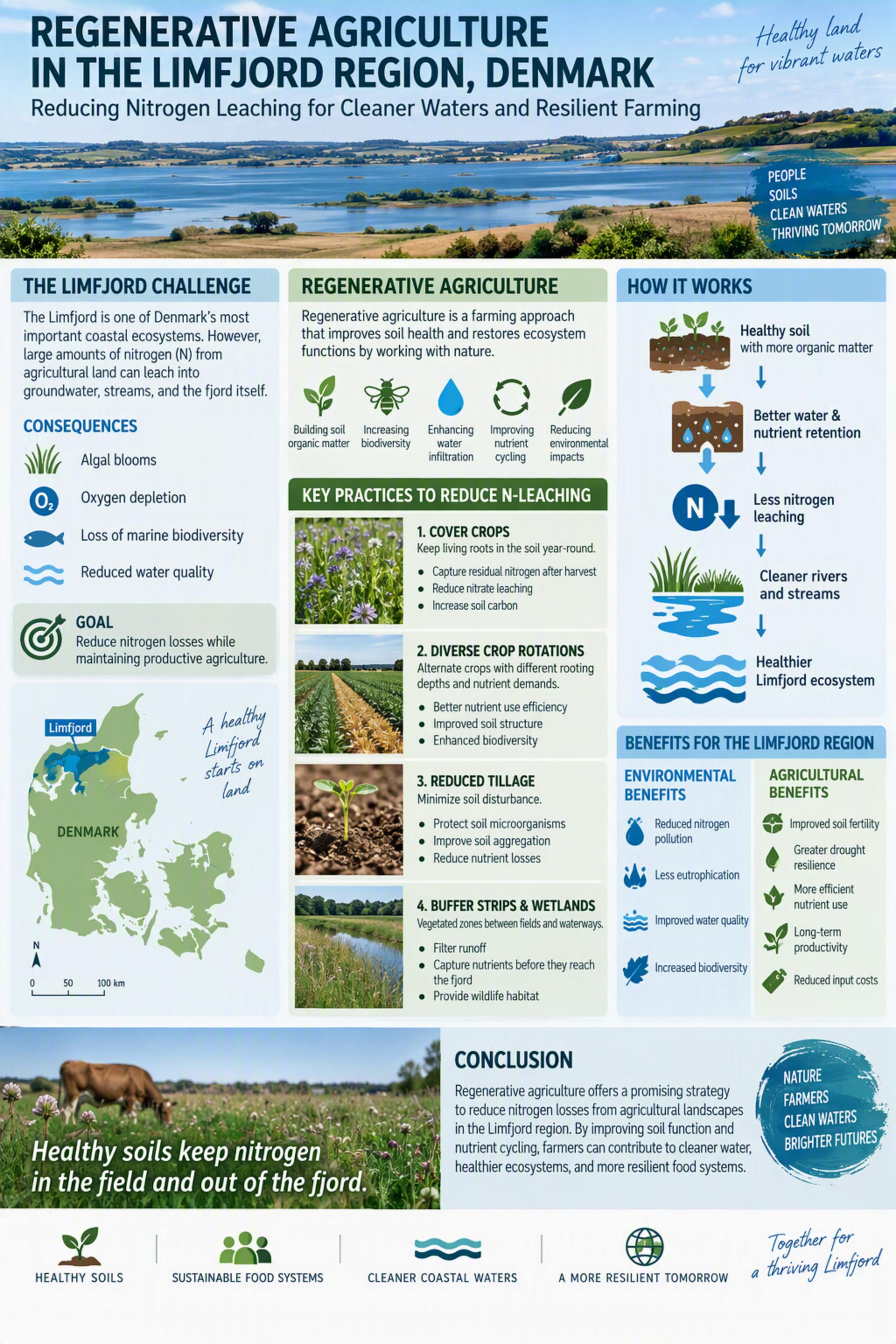
Focusing on foundational agroecology, this team designed a matrix of interconnected field practices to build soil organic matter. By combining year-round cover crops, reduced tillage, and vegetated buffer strips, they demonstrated that fundamentally healthier, carbon-rich soils inherently improve water infiltration and trap nitrogen before it reaches the fjord.
Global reach and next steps
The actionable strategies generated during these two days go far beyond a theoretical exercise. The conceptual landscape models and empirical feedback on the digital tools will directly feed into ongoing trans4num research and policy deliverables.
Furthermore, honoring the project's strategic EU-China bilateral cooperation, the hackathon's structured outcomes and methodologies will be shared with the Chinese Academy of Agricultural Sciences (CAAS) and our Chinese consortium partners. This ensures that the data-driven nutrient abatement concepts pioneered in Denmark can inform parallel sustainable agriculture strategies across the globe.
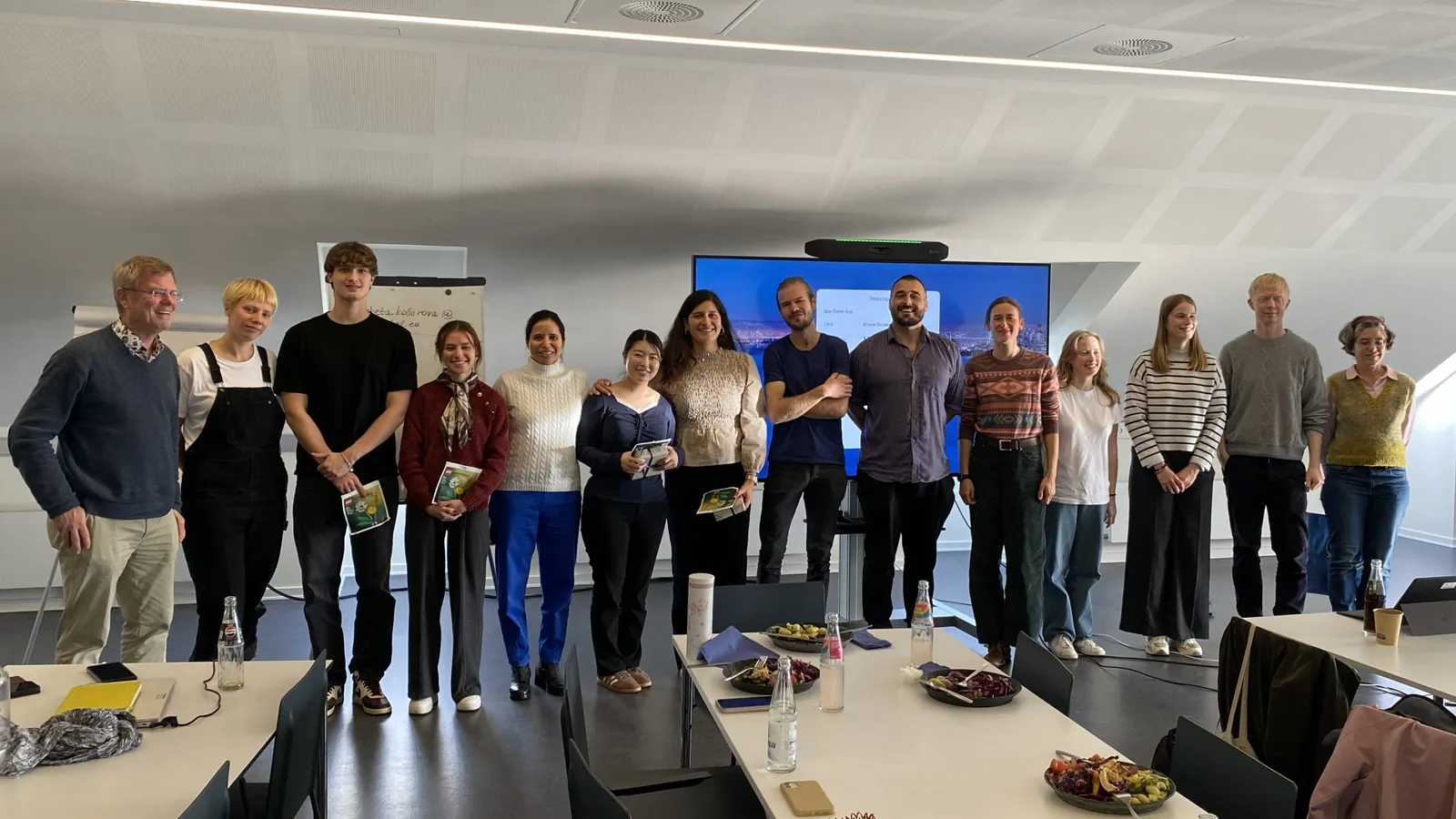
We extend a massive thank you to our hosts at Aarhus University, the dedicated mentors, the expert jury, and all the brilliant participants who proved that collaborative, open-data innovation is key to our agricultural future.